






How to Evaluate Filling Equipment for Multi-Viscosity Lubricant Products

In lubricant manufacturing, production requirements are becoming increasingly complex. A single facility often needs to handle multiple formulations, various viscosity levels, and diverse container sizes within the same production schedule. As product variety increases, maintaining a stable output becomes difficult if operators must constantly adjust settings manually based on intuition or past experience.
For this reason, equipment upgrades should not be judged solely by output speed. In lubricant packaging operations, long-term efficiency depends heavily on filling consistency, changeover control, and the ability to manage product variation with minimal manual intervention.
When planning future capacity or packaging upgrades, the critical question is not simply which machine is faster, but which filling system can ensure stable day-to-day operation across your wider product range.
1. Filling Stability Across Viscosity Variations
Lubricant products behave differently during the filling process. Some formulations flow easily, while others move slowly and require tighter control during feeding and dispensing. These differences in viscosity can directly affect filling stability, drip control, residue management, and overall consistency across production runs.
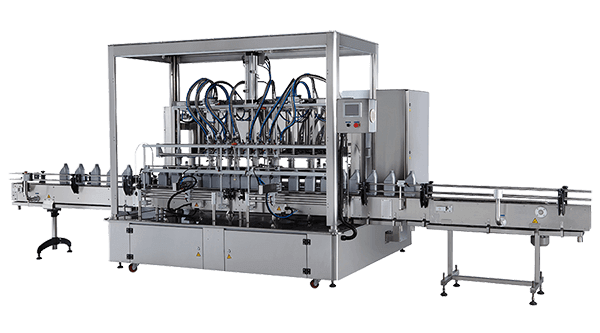
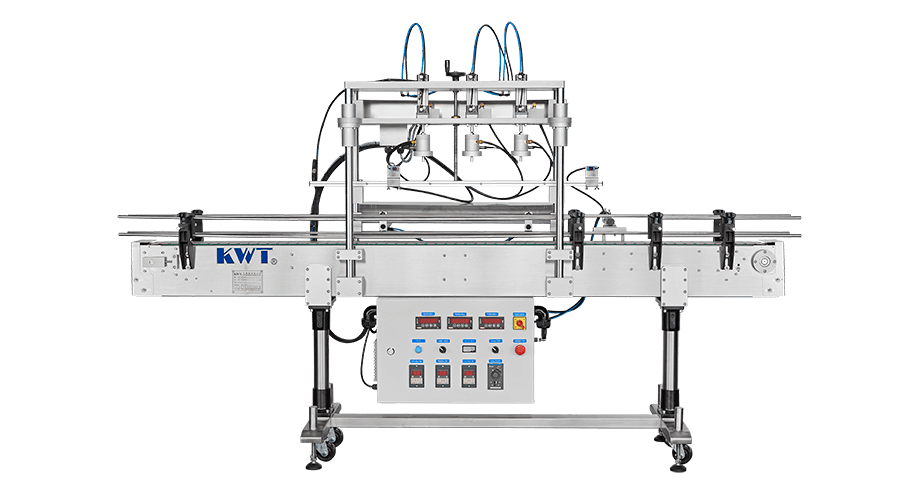
When reviewing equipment options, consider whether the filling method can maintain reliable performance across different product characteristics. Metering stability and pump selection all influence how well the system adapts when products change. In practice, a system that handles viscosity variation consistently helps reduce repeated setup corrections, lowers product waste, and improves filling repeatability across batches.
2. Manual Adjustments and Product Changeovers
In many lubricant plants, lost efficiency stems from changeovers rather than the filling process itself. Switching between product types, fill volumes, bottle sizes, or cap formats often creates severe bottlenecks if operators must manually reset multiple mechanics each time.
This is why changeover design should be a core part of equipment evaluation. A flexible system should simplify how you store parameters, recall settings, and complete routine adjustments through a structured control interface rather than relying on operator memory. Reducing manual setup is not just about labor saving; it directly improves setup consistency, extends line uptime, and ensures production runs reliably across different shifts.
3. Full Packaging Workflow Integration
Filling performance should never be evaluated in isolation. Even if a machine performs well at the filling stage, overall productivity can still suffer if upstream and downstream processes fall out of sync.
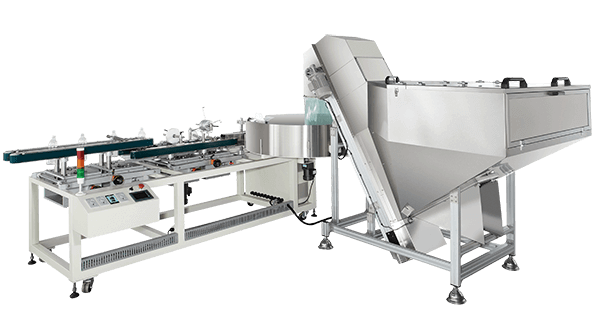
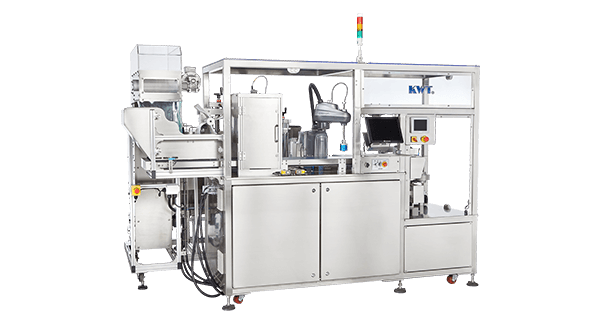
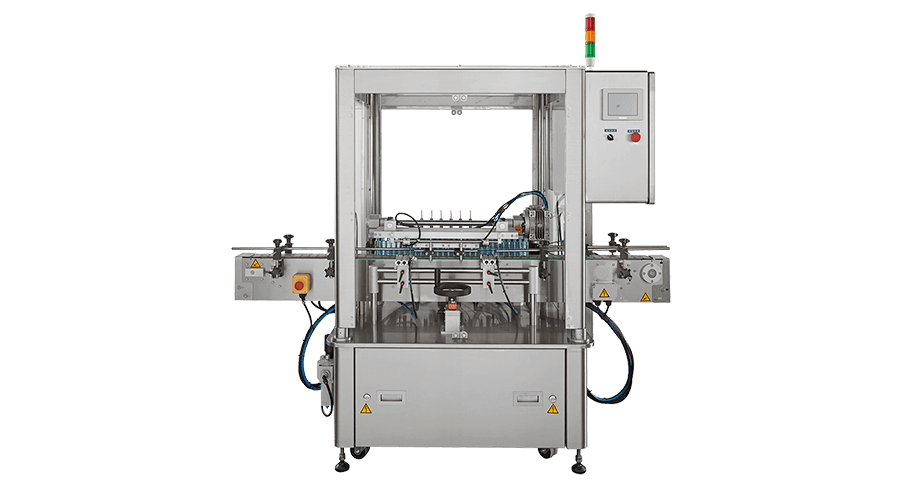
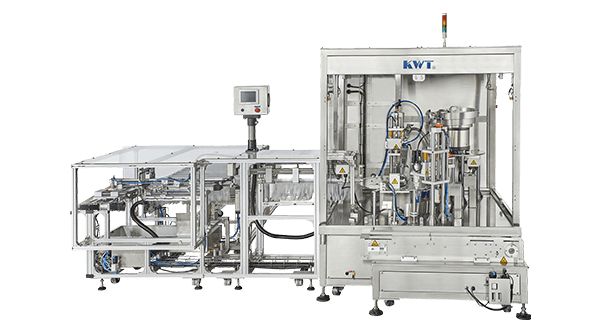
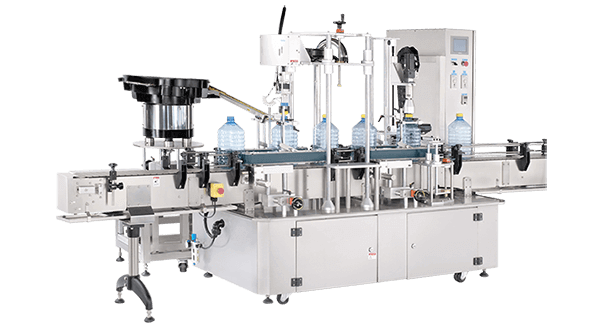
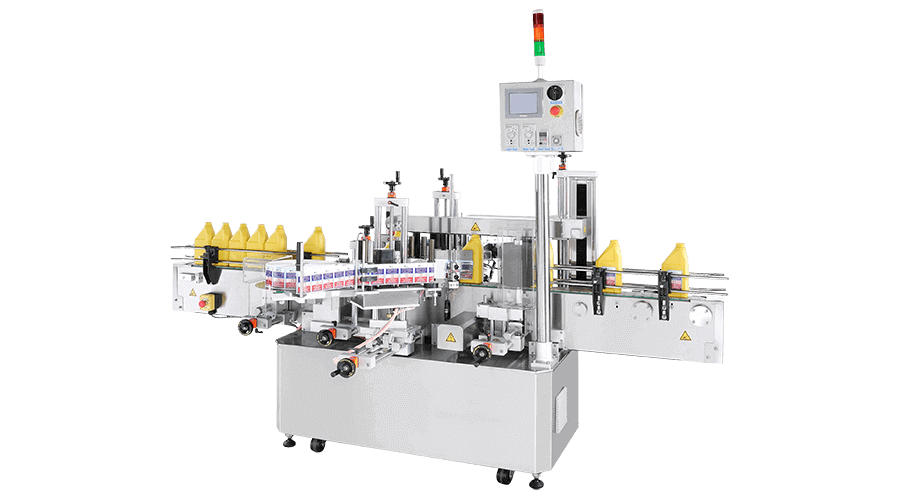
For lubricant packaging, this means analyzing how the equipment fits into the broader workflow, including container feeding, capping, labeling, and downstream packing processes. If one section of the line requires frequent manual intervention or runs out of sync with the rest, the expected efficiency gains will not be fully realized. A sound equipment decision comes from evaluating how well the system supports the entire packaging sequence, not just the filling point.
4. Total Operating Efficiency over Nominal Speed
Speed is one of the easiest specifications to compare, but it rarely tells the full story. In real production environments, actual efficiency depends on how often the equipment needs adjustment, how quickly changeovers are completed, and how reliably the system handles product variation over time.
For manufacturers working with multiple lubricant SKUs, stable daily operation matters far more than a headline throughput figure. Equipment that supports repeatable setup, consistent filling behavior, and smooth process coordination delivers better long-term value than a faster system that requires frequent manual correction. This is critical for facilities looking to reduce dependency on highly experienced operators while keeping output stable.
Conclusion: Process Integration Meets Performance
Selecting filling equipment for lubricant products is a process-planning decision. The right solution must account for product behavior, packaging variation, operational flexibility, and how the equipment coordinates with downstream packaging steps.
KWT supports manufacturers with liquid filling and packaging equipment planning based on real-world production requirements. For lubricant applications, we evaluate factors such as product behavior, packaging variation, operational flexibility, and full-line synchronization.
To see how our systems support stable, repeatable production over time, we invite you to check our featured 【Lubricant Oil Filling Line】 engineering configurations, or contact KWT's application specialists directly to discuss your integration needs.