


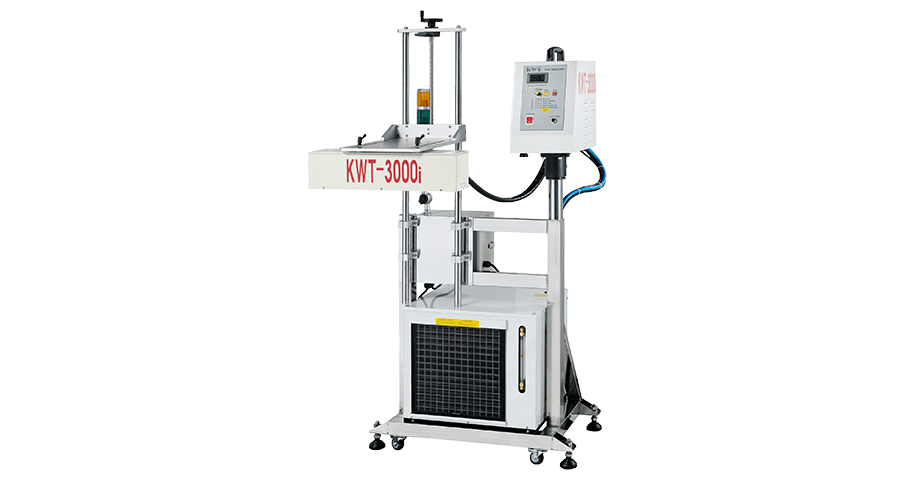




How do you select a capping machine
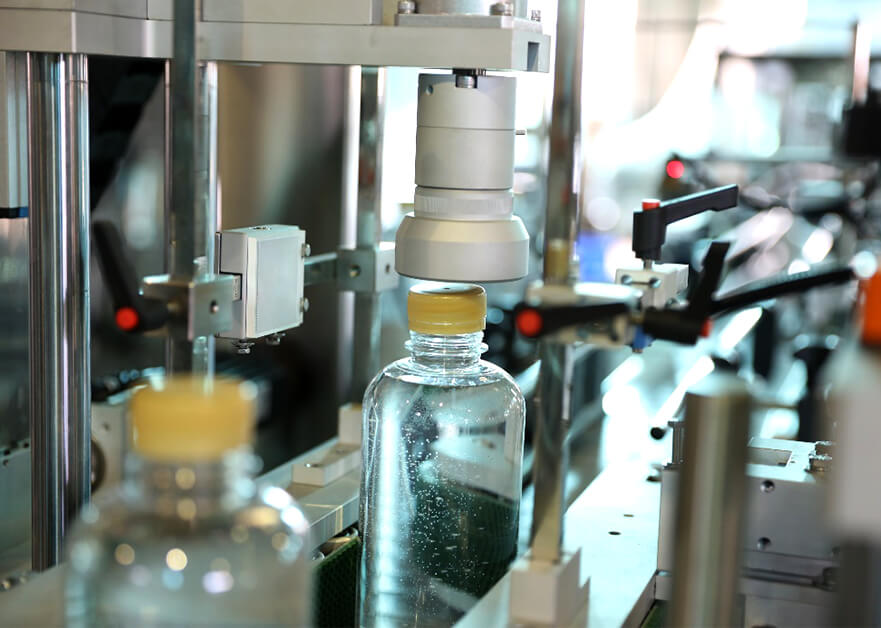
When purchasing a capping machine for your business in the packaging industry, there are several factors to consider. Firstly, evaluate the types of caps and bottles you want to work with. Additionally, you should check the production capacity and speed of the machine to ensure it can meet your business requirements. Another crucial aspect is that the capper allows you to accommodate various cap sizes and bottle shapes. Lastly, assess the machine’s maintenance requirements and availability of technical support to ensure operations run smoothly and minimize downtime in today's competitive manufacturing landscape.
Cap Type
It is important to take into account the specific closure design required for different types of caps. Each cap type, such as those used for detergent bottles or other products, may have unique closure mechanisms that demand a specific capping machine. The closure design determines how the cap attaches to the bottle or container, which can vary in terms of threading, snap-on or press-on mechanisms. For instance, inline capping machines are often used for continuous thread caps, while side-wrap capping machines are designed for snap-on closures.
Understanding the closure requirements of your intended cap is essential to ensure compatibility with the capping machine you chosse. By selecting a capping machine that aligns with the closure design, you can guarantee accurate and efficient cap application, avoiding issues of improper sealing and ensuring optimal cap-to-bottle alignment.
Semi-auto or Automatic
Selecting the appropriate type of capping machine, whether semi-auto or automatic, is an important decision with significant implications for both the machine’s capabilities and cost. Automatic capping machines, such as rotary capping machines, offer the highest speed and efficiency but typically come at a higher price. These machines are ideal for high-volume operations where precision and consistency are paramount.
Considering your budget and production requirements is essential when deciding whether to invest in a higher-cost automatic machine for faster production time. On the other hand, semi-automatic capping machines, like side-wrap cappers or chuck capping machines, may be more affordable but offer lower output rates. These semi-automatic capping machines can be a good choice for smaller operations or businesses with varying production needs.
By determining the cap type and designs you require, you can procure a capping machine that matches your specific needs. This ensures that the machine will effectively handle the cap application process, maximizing productivity for your business. Additionally, consider features such as quick changeover capabilities, which can significantly reduce downtime between production runs.
When purchasing bottle capping machines for your business in the packaging industry, there are serveral critical factors that require careful consideration. First and foremost, you need to thoroughly evaluate what types of caps and bottles you plan to work with as this will directly impact machine compatibility.
Additionally, it's essential to carefully analyze the production capacity and operational speed of the machine to verify it can effectively meet your business's current and future output requirments. Another crucial aspect is ensuring the capping machine offers sufficient flexibility to accommodate various cap sizes and bottle shapes without compromising performance.
Lastly, conducting a detailed assessment of the machine's maintenance requirements and the availability of reliable technical support is vital to ensure smooth operations and minimize costly production downtime. By carefully considering these factors, you can select the ideal capping machine that will enhance your production efficiency and help you stay competitive in the dynamic packaging industry.