





Choosing the right labeling machine
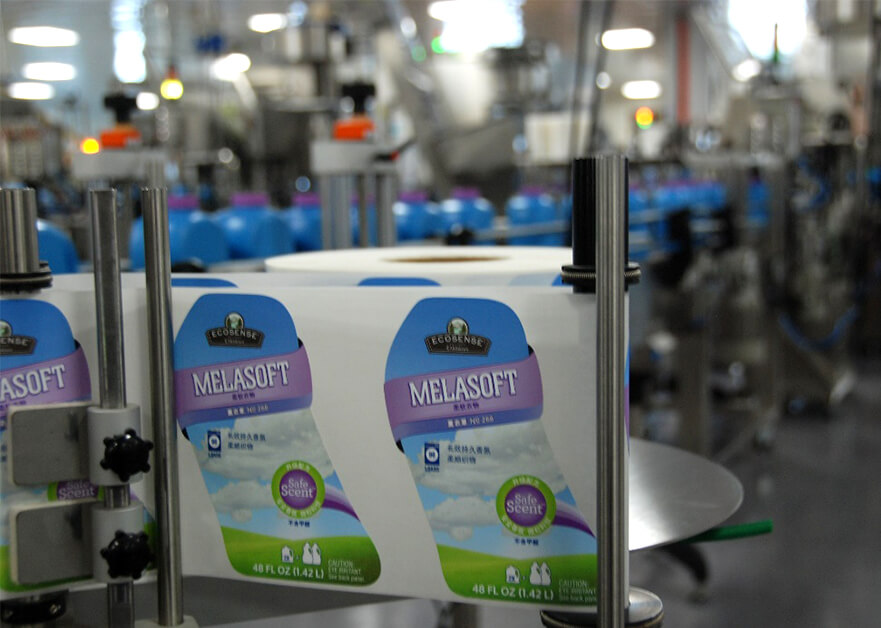
Imagine how many items you purchase have labels; almost everything. From food products and beverages to cosmetics and pharmaceuticals, labels are integral part of product packaging. Those labels are applied by either manual application or through an automatic label applicator, with the latter becoming increasingly prevalent in modern manufacturing environments.
Label Uses
Labels serve numerous essential purposes in today's marketplace: product identification, name tags, advertising, warnings and other vital communication. Labels can be attached through various methods, including:
- Pressure sensitive adhesives (also called PSA or self-stick), which are the most commonly used due to their ease of application and reliability
- OPP/BOPP film: for example, “roll-fed labeling” adopt the hot melt applicator to stick labels, providing excellent durability and moisture resistance
- Shrink wrap for printed shrinkable labels placed over packages and then heated to shrink them, creating a seamless, professional appearance
- Wet glue: the sheet of paper gummed with resinous glue, traditionally used for glass bottles and certain packaging types
- Radio-frequency identification (RFID), offering advanced tracking and inventory management capabilities
Many labels are pre-printed by the manufacturer, incorporating brand elements, product information, and required regulatory details. Others have printing applied at the time of application, allowing for real-time customization and variable data printing. Labels are often difficult to peel and apply manually; most companies use a label applicator to speed up this task and ensure consistent results. Label applicatiors can handle various label sizes and material thickness, ensuring consistent print quality for clear labels, opaque labels, and everything in between, while maintaining precise placement and avoiding air bubbles or wrinkles.
Labeler Feature & Application
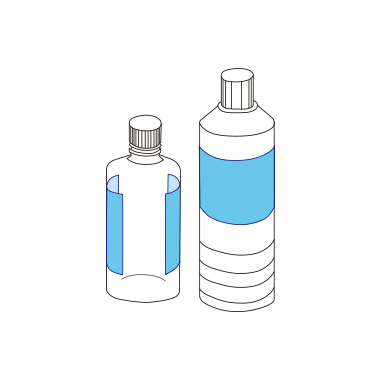
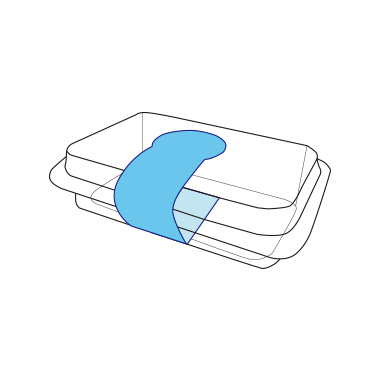
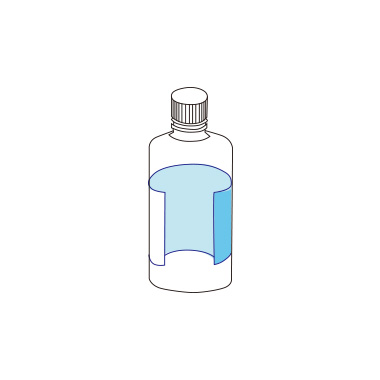
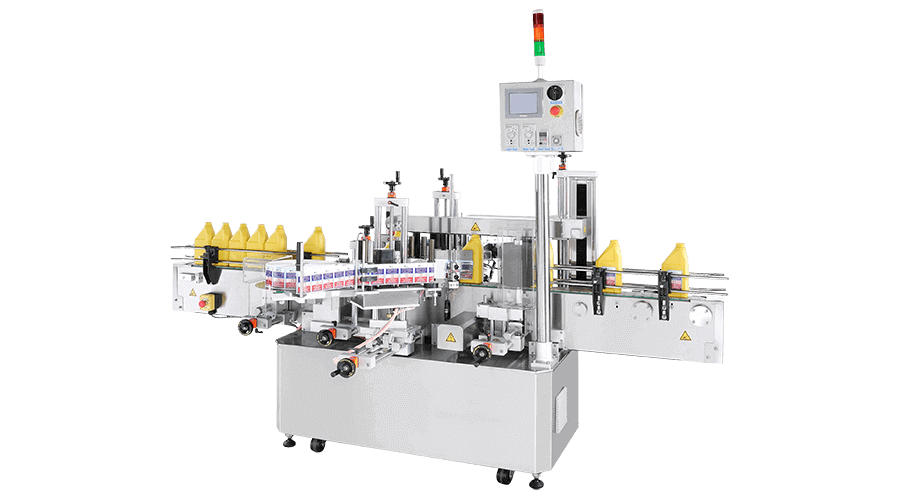
The labeling equipment can manage a variety different of products to meet the vendor’s labeling need; in other words, the design focuses on its flexibility. Modern labeling systems incorporate advanced features that allow quick adjustments and seamless transitions between different product runs. The machine is adjustable for different shaped containers without specific parts, making it ideal for those packaging lines that use different container sizes. This versatility eliminates the need for multiple specialized machines, reducing both capital investment and floor space requirements. It is essential to respect the production line's efficiency and throughput requirements. A manufacturer might have produced goods that come in a variety of shapes and sizes; the labeling equipment has addressed every labeling need through innovative design solutions and adaptable components. The pressure sensitive labeling machines are ideal for the chemical, pharmaceutical, food and beverage industries, offering precise label placement and high-speed operation. The bottle labeling machine is designed for round containers, cylindrical containers, oval or square containers, automatically providing a constant supply of labels to apply; the operator should move the labeld material by hand, ensuring quality control and proper placement.
Automatic Labeling Equipment
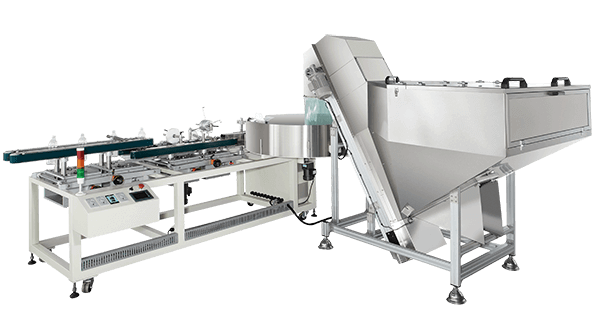
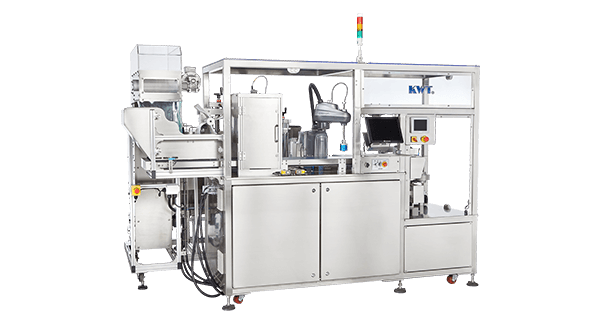
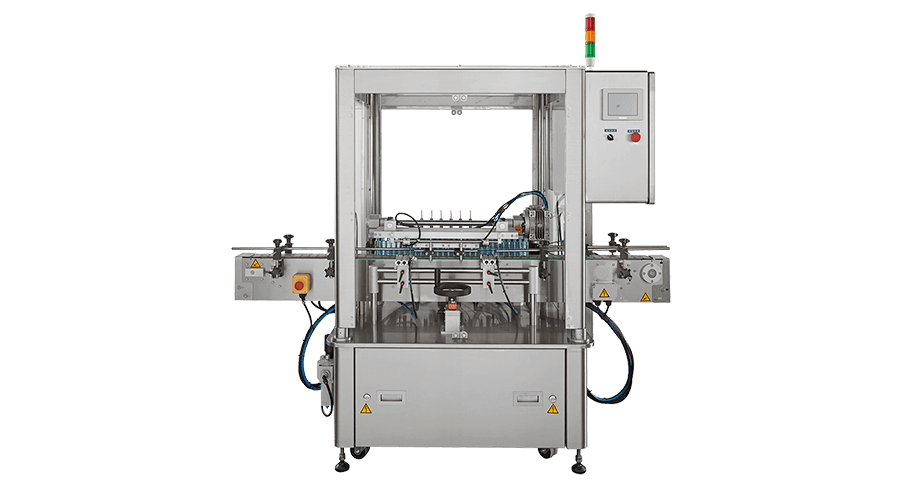
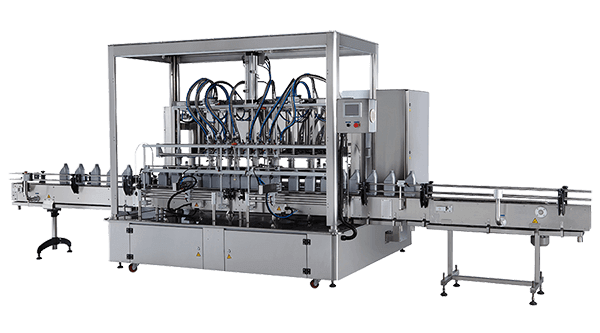
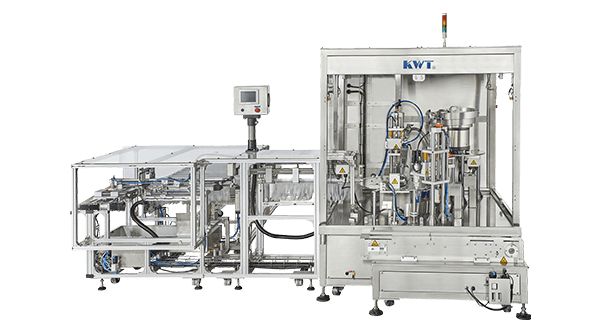
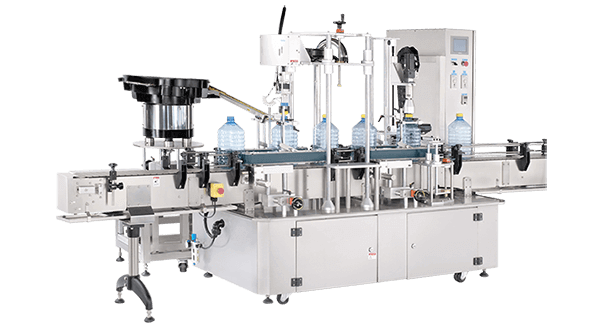
An automatic labeling machine is installed in-line, means the machine is connected after the filling machine, packaging machine or other conveyor belt system that feed products automatically. This integration ensures smooth product flow and maintains consistent production speeds. Familiarize yourself with the various types of labeling machine in the market; common types include semi-automatic and automatic labelers, each type having its own advantages and being suitable for different applications, production volumes, and budget considerations.
A reliable label applicator takes care of every concern, effortlessly and efficiently attaching exquisite, visually appealing labels to your products, ensuring a captivating shelf presentation. They rely on programmable logic controller (PLC) systems, allowing operators to set them for various jobs at different bottles, which can make exceptional efficiency to your workforce. These sophisticated control systems enable precise adjustments for label positioning and timing, resulting in consistent, high-quality results. If you require labels produced with speed and precision beyond what manual labor can achieve, an automatic label applicator could prove to be a valuable investments. Just one of these machines can accomplish the output of serveral individuals performing the same task, significantly reducing labor costs while improving consistency and quality control.
Modeern label application systems offer a comprehensive range of sophisticated application methods, each meticulously designed to address specific labeling requirements and production challenges. These versatile systems can efficiently handle an extensive array of label dimensions, from small product indentifiers to large format labels, while demonstrating remarkable adaptability when working with irregularly shaped containers and uniquie packaging designs. The advanced print engine technology incorporated into these machines delivers exceptional printing quality for critical information such as lot numbers, expiration dates, batch codes, and other essiential product data, ensuring clear, durable and compliant labeling. The precision-engineered conveyor belt system, working in perfect harmony with sophisticated label positioning mechanisms, guarantees consistent and precise label placement across all products in the production line.
These state-of-the-art automatic labelers exemplify user-centric design principles, featuring intuitive interfaces and streamlined operational processes that minimize production interruptions during label changes or system adjustments. Their seamless integration capabilities with existing packaging infrastructure enhance overall operational efficiency and workflow optimizatiion. Wheter the application involves standard round bottles, uniform cylindrical containers, or products with distinctive shapes and contours, manufacturers can find a label applicator machine specifically engineered to meet their unique requirements and production specificaitions.
For organizations seeking to enhance their labeling operations, the investment in a premium label applicatiion system represents strategic decision that can dramatically improve both productivity metrics and applcation consistency. These advanced machines offer unparalleled flexibility in managing multiple product runs with varying label specifications and requirements. This adaptability makes them equally valuable for high-volume manufacturing facilities and smaller-scale operations, provding scalable solutions that grow with your business needs.
Take a moment to explore various models available today and discover how these innovative systems can revolutionize your labeling process and elevate your packaging operations to new heights!
♦ KWT Selected Auto Labeling Line